A team is a group of people working together to achieve a common goal within an organization. Unlike individuals working alone, teams bring diverse skills, knowledge, and perspectives to solve problems, make decisions, and complete tasks more effectively.
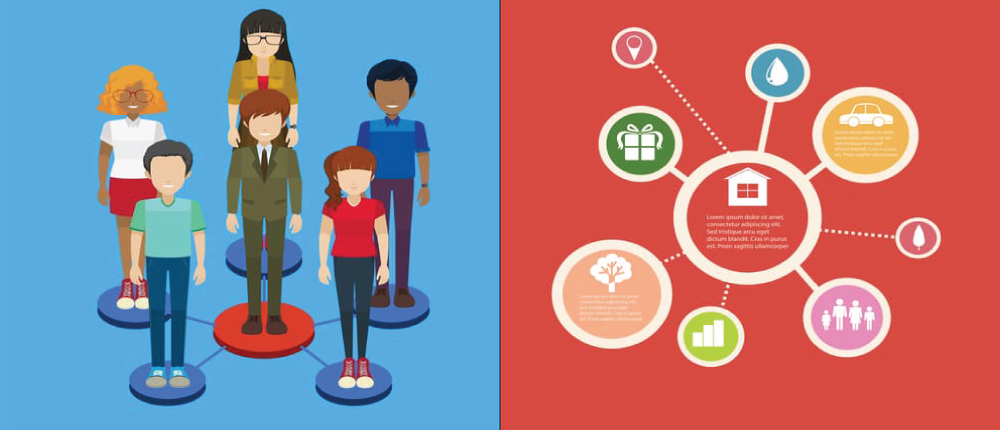
Top 10 Major Types of Teams in Organizations
- Self-Managed Teams
- Functional Teams
- Project Teams
- Leadership / Management Teams
- Cross-Functional Teams
- Virtual / Remote Teams
- Task Force Teams
- Problem-Solving Teams
- Innovation / Creative Teams
- Committees
Key Features of Teams in Organizations:
- Shared Goal: All team members work towards a common objective.
- Collaboration: Tasks are interconnected, necessitating cooperation among members.
- Defined Roles: Each member has specific responsibilities within the team.
- Communication: There is a continuous exchange of ideas and feedback among team members.
- Accountability: Members are responsible for both their individual contributions and the collective results of the team.

1. Self-Managed Teams
In self-managed teams, members share leadership responsibilities, make decisions collectively, and are accountable for results without direct supervision.
2. Functional Teams
In functional teams of organizations, team members come from the same department, such as Marketing, Finance, and HR, and they focus on department-specific goals.
3. Project Teams
Project teams are established for specific tasks and disbanded after completion. In simple words, a temporary group is formed to work on a specific task, goal, or project, where the members are often drawn from different departments, bringing diverse expertise, including some key features like:
- Temporary in Nature
- Goal-Oriented
- Cross-Functional
- Unique Deliverables
- Clear Roles & Responsibilities
- Leadership
- Collaboration
4. Leadership or Management Teams
In leadership or management teams, the senior leaders or executives make strategic decisions for the organization, such as the chairperson, lead investors, and executive board of a company.
5. Cross-Functional Teams
In cross-functional teams, the members work together on a project from different departments within an organization, which promotes teamwork across specialties. For better understanding, suppose that when a company launches a product, the team members work together on marketing, design, sales, and research & development.
6. Virtual or Remote Teams
The term "virtual or remote teams" refers to project team members who work from various locations and are connected through technology.